

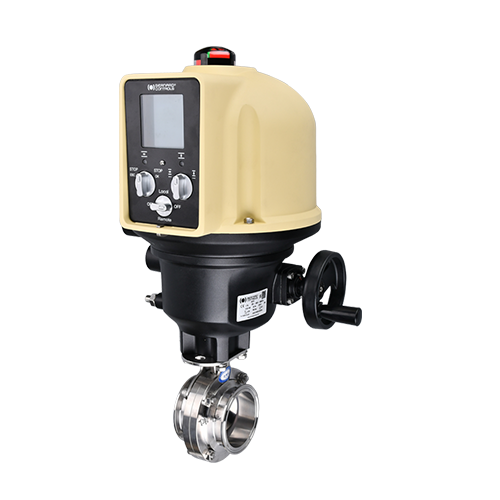
How Intelligent Control Valves Improve Safety and Efficiency in Industrial Processes
Introduction
In modern industrial operations, control valves play a critical role in regulating fluid flow, pressure, temperature, and other process variables. The advent of intelligent control valves has revolutionized process control by incorporating advanced technologies that enhance both safety and operational efficiency. These smart valves integrate digital communication capabilities, self-diagnostic functions, and sophisticated control algorithms to optimize performance while reducing risks in industrial environments. This paper explores how intelligent control valves contribute to improved safety and efficiency across various industries, examining their technological features, benefits, and implementation considerations.
1. Understanding Intelligent Control Valves
1.1 Definition and Basic Components
Intelligent control valves, often referred to as smart valves, are advanced process control devices that combine traditional valve functionality with digital intelligence. Unlike conventional valves that simply respond to control signals, intelligent valves incorporate microprocessors, sensors, and communication capabilities that enable them to monitor, analyze, and adjust their operation autonomously.
The key components of an intelligent control valve system include:
- Valve actuator: The mechanism that physically opens, closes, or modulates the valve
- Positioner: A device that precisely controls the valve position based on input signals
- Embedded microprocessor: The "brain" that processes data and executes control algorithms
- Sensors: Measure various parameters like position, pressure, temperature, and flow
- Communication module: Enables data exchange with control systems and other devices
- Diagnostic software: Monitors valve health and performance characteristics
1.2 Evolution from Conventional to Intelligent Valves
The transition from conventional to intelligent control valves represents a significant technological leap in process automation. Traditional valves required manual adjustment or simple pneumatic/hydraulic actuation with limited feedback capabilities. The introduction of analog electronic positioners in the late 20th century improved control precision but still lacked diagnostic and communication features.
Modern intelligent valves emerged with the integration of digital technologies, particularly fieldbus communication standards and microprocessor-based control. This evolution has enabled valves to become active participants in process control systems rather than passive components, providing real-time data and adaptive control capabilities.
2. Safety Enhancements Through Intelligent Control Valves
2.1 Predictive Maintenance and Failure Prevention
One of the most significant safety benefits of intelligent control valves is their ability to predict and prevent failures before they occur. Traditional valves often failed without warning, potentially causing hazardous situations. Intelligent valves continuously monitor their own condition through various diagnostic parameters:
- Actuator performance: Tracking response time, air consumption, and force output
- Valve stem friction: Detecting increased resistance that may indicate packing wear
- Seat leakage: Identifying wear in sealing surfaces before complete failure
- Component wear: Monitoring mechanical parts for degradation patterns
By analyzing these parameters over time, the valve's embedded intelligence can detect abnormal trends and alert operators to potential issues. This predictive maintenance capability allows for scheduled repairs during planned shutdowns rather than emergency interventions, significantly reducing the risk of catastrophic failures.
2.2 Real-time Process Monitoring and Response
Intelligent control valves enhance safety by providing continuous, real-time monitoring of process conditions. Integrated sensors measure not only valve position but also critical process variables such as:
- Flow rate
- Pressure differential
- Temperature
- Fluid properties (in some advanced models)
This real-time data enables the valve to respond immediately to abnormal conditions. For example, if a sudden pressure surge is detected, the valve can automatically adjust its position to maintain safe operating limits faster than traditional control loops that rely on separate sensors and centralized control systems.
2.3 Advanced Safety Protocols and Fail-safe Mechanisms
Modern intelligent valves incorporate sophisticated safety features that go beyond basic fail-safe positions (open, closed, or hold). These include:
- Adaptive response algorithms: Adjusting valve behavior based on the severity and nature of process upsets
- Multiple redundant sensors: Ensuring reliable measurements even if one sensor fails
- Self-validation routines: Continuously checking the integrity of internal components
- Cybersecurity features: Protecting against unauthorized access and malicious control
These features create multiple layers of protection against process upsets, equipment failures, and external threats, significantly enhancing overall plant safety.
3. Efficiency Improvements with Intelligent Control Valves
3.1 Precision Control and Process Optimization
Intelligent control valves achieve superior process control through several advanced capabilities:
- Nonlinear compensation: Adjusting for inherent nonlinearities in valve characteristics
- Adaptive tuning: Automatically optimizing control parameters based on changing process conditions
- Deadband compensation: Minimizing the response lag between signal changes and valve movement
- Stiction compensation: Counteracting static friction that can cause control oscillations
This precision control translates to more stable process operation, reduced variability, and closer adherence to setpoints. In many applications, this allows processes to operate closer to their optimal efficiency points, reducing energy consumption and improving product quality.
3.2 Energy Efficiency and Resource Conservation
The enhanced control capabilities of intelligent valves contribute directly to energy savings in several ways:
- Minimized pressure drops: Optimizing valve position to reduce unnecessary flow restrictions
- Reduced cycling: Maintaining stable control with fewer adjustments, decreasing actuator energy use
- Leak detection: Identifying and quantifying seat leakage that wastes process media
- Demand-based control: Adjusting flow precisely to match actual process requirements
In steam systems, for example, intelligent control valves can maintain precise temperature control while minimizing steam consumption. In pumping systems, they optimize flow to match demand, reducing electrical energy usage.
3.3 Reduced Maintenance Costs and Downtime
The diagnostic capabilities of intelligent valves significantly impact maintenance efficiency:
- Condition-based maintenance: Replacing components only when needed rather than on fixed schedules
- Remote diagnostics: Allowing technicians to assess valve condition without physical inspection
- Fault isolation: Pinpointing specific components that require attention
- Performance trending: Identifying gradual degradation before it affects process performance
These features reduce both the frequency and duration of maintenance interventions, increasing overall equipment availability and productivity.
4. Integration with Industrial Automation Systems
4.1 Digital Communication Capabilities
Intelligent control valves typically support various industrial communication protocols:
- Foundation Fieldbus
- Profibus PA/DP
- HART (Highway Addressable Remote Transducer)
- WirelessHART
- Ethernet-based protocols (Modbus TCP/IP, EtherNet/IP, PROFINET)
This digital connectivity enables bidirectional data exchange with distributed control systems (DCS), programmable logic controllers (PLC), and asset management software. Valves can receive setpoint changes and configuration updates while transmitting operational data and diagnostic information.
4.2 Role in Industry 4.0 and IIoT
Intelligent control valves are key components in the Industrial Internet of Things (IIoT) and Industry 4.0 initiatives. Their capabilities align with several smart manufacturing principles:
- Edge computing: Processing data locally within the valve to reduce latency
- Cloud connectivity: Sharing performance data with enterprise-level analytics platforms
- Interoperability: Seamless integration with other smart devices in the process
- Data analytics: Contributing to plant-wide performance optimization
This integration enables advanced applications like predictive maintenance across entire systems rather than individual valves and process optimization based on comprehensive data analysis.
5. Implementation Considerations
5.1 Selection Criteria for Intelligent Control Valves
Choosing the appropriate intelligent valve requires careful consideration of several factors:
- Process requirements: Pressure, temperature, flow characteristics, and fluid properties
- Control performance needs: Precision, response time, and stability requirements
- Communication infrastructure: Compatibility with existing plant networks
- Diagnostic needs: Level of detail required for maintenance planning
- Environmental conditions: Hazardous area certifications, extreme temperatures, etc.
5.2 Installation and Commissioning Best Practices
Proper implementation is crucial to realizing the full benefits of intelligent valves:
- Mechanical installation: Following manufacturer guidelines for piping orientation, support, and alignment
- Calibration: Ensuring accurate sensor measurements and proper control response
- Configuration: Setting appropriate control parameters and diagnostic thresholds
- Loop tuning: Optimizing control performance for the specific application
- Documentation: Recording as-installed settings and baseline performance data
5.3 Training and Change Management
The transition to intelligent valves often requires workforce development:
- Operator training: Understanding new monitoring capabilities and diagnostic alerts
- Maintenance training: Interpreting diagnostic data and performing advanced troubleshooting
- Engineering training: Leveraging advanced features for process optimization
- Cultural adaptation: Moving from reactive to predictive maintenance approaches
6. Case Studies and Industry Applications
6.1 Oil and Gas Industry Applications
In oil and gas operations, intelligent control valves enhance safety and efficiency in:
- Pipeline pressure control: Preventing overpressure situations while optimizing flow
- Wellhead control: Managing production rates and preventing blowouts
- Refinery processes: Precise control of distillation columns and other critical units
- Safety instrumented systems: Providing reliable final elements for emergency shutdowns
6.2 Power Generation Applications
Power plants benefit from intelligent valves in:
- Steam turbine control: Optimizing steam flow for maximum efficiency
- Feedwater systems: Maintaining precise drum level control
- Combustion control: Regulating fuel and air flows for clean, efficient burning
- Cooling systems: Managing water flow to balance performance and environmental requirements
6.3 Chemical and Pharmaceutical Applications
In process manufacturing, intelligent valves contribute to:
- Batch process control: Ensuring precise recipe execution
- Safety interlocks: Preventing hazardous material releases
- Clean-in-place (CIP) systems: Optimizing cleaning cycles
- Containment systems: Maintaining proper pressure differentials
7. Future Trends and Developments
7.1 Emerging Technologies in Valve Intelligence
Future intelligent valves may incorporate:
- Artificial intelligence: Machine learning algorithms for advanced diagnostics and control
- Enhanced materials: Self-healing coatings or wear-resistant components
- Energy harvesting: Powering electronics from process energy
- Advanced wireless: Improved reliability and bandwidth for wireless communication
7.2 Integration with Digital Twins
Intelligent valves will play a key role in digital twin implementations:
- Virtual representation: Mirroring physical valve behavior in simulation models
- Performance prediction: Forecasting maintenance needs and process impacts
- What-if analysis: Testing control strategies before implementation
7.3 Sustainability Contributions
Future developments will likely focus on:
- Reduced fugitive emissions: Advanced sealing technologies
- Energy recovery: Capturing and utilizing energy from process flows
- Circular economy: Design for disassembly and material recycling
Conclusion
Intelligent control valves represent a significant advancement in process control technology, offering substantial improvements in both safety and efficiency. By integrating digital intelligence, advanced diagnostics, and precise control capabilities, these devices help industrial facilities prevent accidents, optimize performance, and reduce operational costs. The ability to monitor valve health in real-time transforms maintenance strategies from reactive to predictive, while the enhanced control algorithms enable processes to operate closer to their theoretical optimums.
As industries continue to embrace digital transformation and Industry 4.0 concepts, intelligent control valves will become increasingly sophisticated, integrating with broader automation systems and contributing to plant-wide optimization. Their role in improving safety and efficiency makes them essential components in modern industrial operations across diverse sectors.
The successful implementation of intelligent valves requires careful selection, proper installation, and adequate training, but the long-term benefits justify the investment. As technology continues to evolve, these devices will likely incorporate even more advanced features, further enhancing their value in industrial automation systems. For organizations seeking to improve their process operations, intelligent control valves offer a proven path to achieving higher levels of both safety and efficiency.
Тел: +86 577 8699 9257
Тел.: +86 135 8786 5766 /+86 137 32079372
Электронная почта: wzweiheng@163.com
Адрес: Нет. 1633, улица Идаоба, промышленный парк Биньхай, город Вэньчжоу, провинция Чжэцзян

Сканировать Вичат
Этот веб-сайт использует файлы cookie, чтобы обеспечить вам максимально эффективное использование нашего веб-сайта.
 English
 Español
 Portugues
 Français
 Deutsch
 한국어
한국어 العربية
 Italiano
 ไทย
ไทย Türk dili
 हिन्दी
 Melayu
 Tiếng Việt
 dansk
dansk қазақ
қазақ বাংলা
বাংলা українська
 Filipino
 o'zbek



 телефон
Комментарий
(0)